Amenity booking software checklist: what your property management platform should actually do
Amenity booking software helps residents reserve shared spaces like party rooms, gyms, rooftop lounges, and move-in elevators while giving staff the tools to manage payments, deposits, inspections, and revenue in one workflow. In multifamily buildings, condominiums, and HOA communities, the right system reduces administrative work, prevents double bookings, and creates a more transparent booking experience for both residents and staff.
When evaluating amenity booking software, operators should look beyond the reservation itself. The real difference often comes from how the platform handles the full lifecycle of a booking, including payment collection, inspection documentation, deposit resolution, and reporting on amenity utilization and revenue.
How modern amenity booking software handles deposits, inspections, and revenue
Most property management platforms support some form of amenity booking. Fewer handle what happens after the reservation is made. That is where operational friction appears and where staff time is often lost. Modern amenity booking software should not stop at confirmation. It should support the full process from booking to payment, inspection, deposit release or chargeback, and reporting.
What modern amenity booking software should include
Modern amenity booking software should support the full operational lifecycle of a reservation. Property managers evaluating platforms should look for systems that provide:
- Resident self-serve booking with real-time availability
- Automated booking rules and approval workflows
- Secure payment collection and deposit authorization
- Pre-event and post-event inspections tied to the booking record
- Automated deposit release or damage chargeback
- Amenity utilization and revenue reporting
- Resident notifications and communication
- Operational analytics that track space usage patterns
Evaluating property management platforms for amenity operations
There are many property management and resident experience platforms that support amenity booking, payments, and resident services. The biggest difference is often not whether a platform offers bookings, but how well it handles the workflow surrounding them. For operators comparing solutions, reviewing product documentation and requesting a demo is often more useful than relying on a feature checklist alone.
Well-known platforms in the market include Buildium, Condo Control, and BuildingLink. Each serves different portfolio types and operational contexts, which means the right choice depends on the specific needs of the building or portfolio. One area that consistently separates platforms is the full lifecycle of an amenity booking, from the initial reservation through payment, inspection, and deposit resolution.
The amenity problem most buildings experience

Most buildings do not struggle because they lack a booking calendar. They struggle because booking, payment, inspection, and deposit resolution live in separate places and depend on staff to connect them manually. That is where friction builds.
A party room stays underused during the week. Rooftop spaces get double-booked on a Saturday. Damage deposits become disputes because inspection documentation does not exist. Staff spend time mediating conflicts that should have been prevented through workflow automation. Residents get frustrated, staff gets pulled into avoidable follow-up, and revenue opportunities quietly disappear.
In many buildings, amenity reservations still rely on email threads, spreadsheets, or manual deposit tracking. In some systems, the workflow ends at booking confirmation, leaving payments, inspections, and deposit resolution to be handled through separate tools or manual processes.
How Unify LIV handles the full booking cycle
Unify LIV was designed to connect booking, payment, inspection, and deposit resolution in one workflow. Here is how that works in practice.
Resident self-serve booking
Residents book amenities through the LIV mobile app with real-time availability, applicable rules, fees, and deposit requirements visible before confirming. There is no need to call the office or wait for someone to confirm availability manually.
Payment authorization through LIVPay
When a booking requires a damage deposit, the resident’s payment method is authorized at the time of booking, not charged immediately. If the amenity is returned in good condition and passes post-inspection, the hold releases automatically. If damage occurs, the charge can be applied directly from the booking record with inspection evidence already attached.
Pre-inspection with timestamped photos
Before the booking begins, staff complete a pre-inspection inside the LIV platform. Photos are timestamped and tied directly to the booking record, so there is no need for separate apps, email threads, or file searching later.
Post-inspection and automatic resolution
After the booking ends, staff complete the post-inspection in the same workflow. Clean inspections trigger an automatic release of the deposit. If damage is found, the system supports a chargeback with inspection evidence already attached.
What the full-cycle workflow covers
For operators evaluating amenity booking software, this is what a full operational workflow should include. LIV supports the following capabilities across the booking lifecycle.
| Capability | How LIV handles it |
|---|---|
| Resident self-serve booking | Residents book directly in the LIV mobile app with real-time availability, fees, and deposit terms visible before confirming. |
| Calendar view | Staff can see amenity bookings, maintenance schedules, and events in one calendar view. |
| Rules enforcement at booking time | Capacity limits, advance notice requirements, and per-unit booking limits are enforced automatically at the point of booking. |
| Paid amenity bookings | Residents pay in-app through LIVPay at the time of booking, with no e-transfers or offline manual tracking. |
| Damage deposit hold | The deposit is authorized at booking, then released automatically on a clean post-inspection or applied if damage is found. |
| Pre-inspection with timestamped photos | Staff complete a pre-inspection inside LIV before the event begins, with photos tied directly to the booking record. |
| Post-inspection and deposit resolution | Post-inspection is completed in the same workflow, with automatic release or chargeback based on inspection results. |
| Amenity revenue reporting | Revenue and utilization are visible in the LIV dashboard without requiring manual exports. |
| AI operational analytics | Real-time insights across amenity utilization, resident engagement, revenue, and inspection outcomes are surfaced inside the platform. |
The operational difference
Most buildings are not failing at amenity management because they lack a booking calendar. They are failing because the booking, the payment, the inspection, and the deposit resolution all live in separate places and depend on staff to connect them manually.
LIV was designed to connect those steps by default. The booking creates the payment hold. The pre-inspection is tied to the booking. The post-inspection triggers the deposit release or the chargeback. Revenue is tracked without a manual export. Residents receive notifications at each step without a phone call to the office.
Buildings running on LIV report 40% fewer inbound phone calls and 40 admin hours saved per month. Those gains come from removing the manual coordination that many buildings still treat as a normal cost of operations.
What this means for revenue
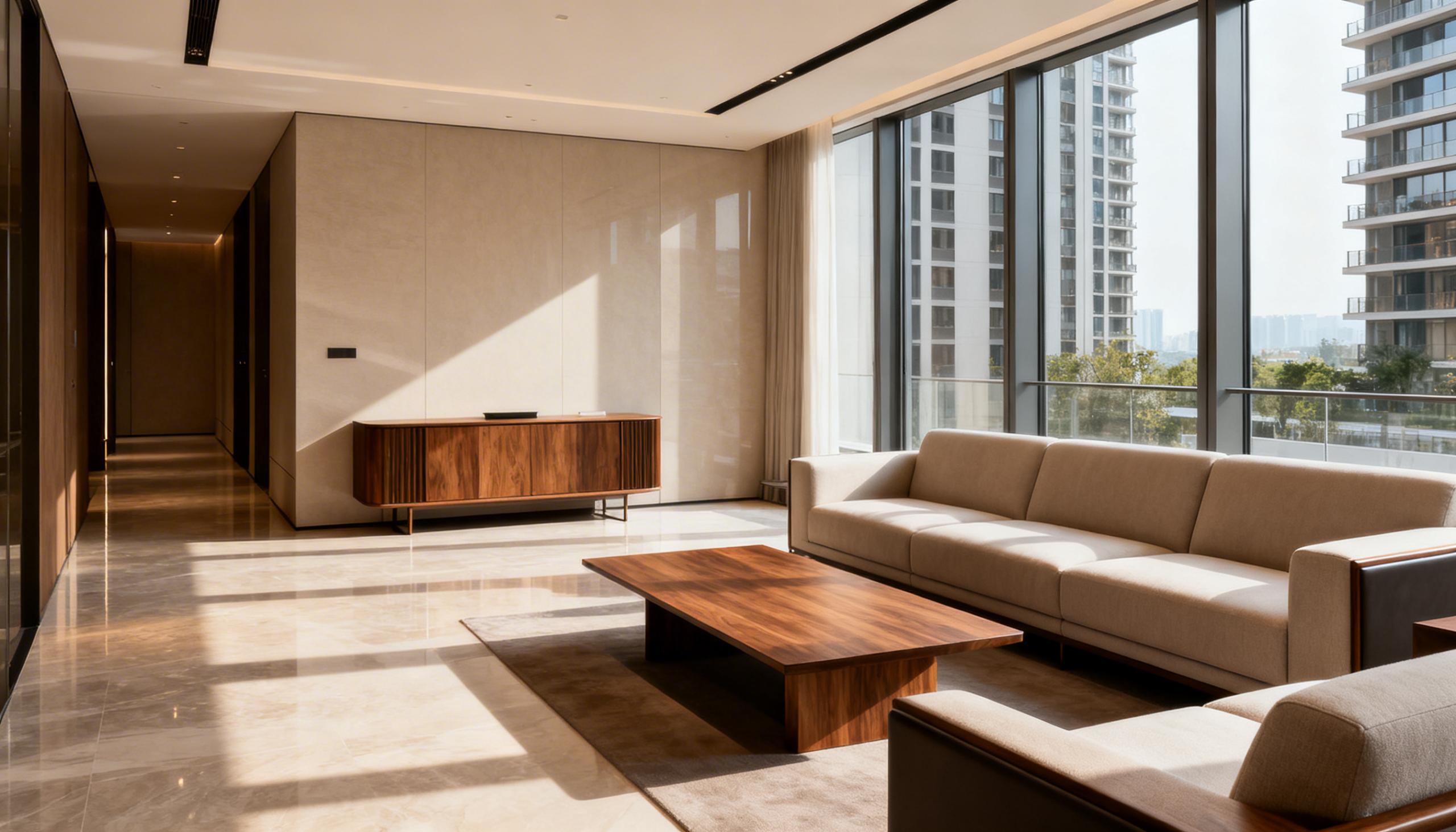
Amenities are not just an administrative burden. When friction is removed and booking becomes fully self-serve, utilization and revenue can increase.
At Hillside West, an 892-unit luxury community in Vancouver, paid amenity bookings generated over $11,600 in the first two months after activation for spaces like the entertainment lounge, theatre room, and move-in and move-out elevator. These were existing spaces. What changed was the workflow. Residents could see availability, book, and pay without calling the office or visiting the concierge desk.
Buildings that remove booking friction and give staff a reliable damage process are more likely to see amenity utilization increase and paid booking programs continue long term. Revenue from amenities can also change the board conversation by turning the platform from a cost center into a measurable operational and revenue tool.
The resident experience side
The operational benefits for managers and boards are clear: less manual work, fewer disputes, and trackable revenue. But the resident experience side matters just as much, and it is often what drives adoption.
LIV achieves a 91% app download rate in the first week of onboarding and 87% ongoing monthly engagement. Those numbers reflect what happens when residents have one place to book amenities, submit service requests, receive parcel notifications, access building documents, and communicate with management without switching between multiple portals or waiting on email responses.
For amenity booking specifically, residents get instant confirmation, clear deposit terms, and automatic deposit release when everything goes smoothly. They do not have to chase a refund or argue over whether damage was pre-existing. The process is transparent from the start.
The AI layer in Unify LIV
LIV’s AI goes beyond message drafting or chat. The more useful layer is operational analytics. LIV surfaces real-time insight across amenities, resident engagement, revenue, and inspections so managers can quickly see what needs attention without digging through multiple dashboards.
That means better visibility into underused amenities, booking trends, workflow bottlenecks, and issues that require follow-up. Instead of acting on fragmented information, teams get clearer operational insight inside the platform they already use.
Final takeaway
Amenity booking software should do more than reserve a space on a calendar. It should connect booking, payments, deposits, inspections, and reporting in one workflow that reduces manual work and improves trust for both residents and staff. The more of that process a platform handles natively, the easier it becomes to run amenity programs that are fair, trackable, and revenue-generating.